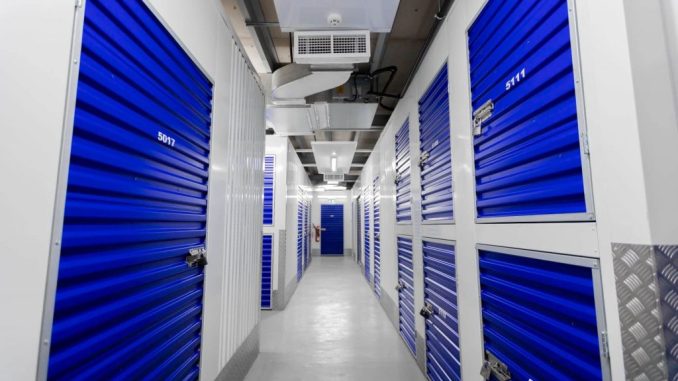
An unpaid rental account and an untouched storage room can leave facility managers with a difficult problem. Boxes, furniture, and personal belongings may sit behind a locked door long after a customer disappears.
Operators follow legal procedures before taking action, protecting customer rights while managing the space and preparing it for future self storage Dubai rentals.
How facilities identify abandoned units
Managers monitor payment records, rental dates, and customer communication to spot possible abandonment. Missed payments raise an alert, while unanswered calls and emails may signal a bigger issue. Staff check account details and review entry records before making assumptions. A unit remains under the customer’s agreement until the facility follows the required legal process.
Contact comes before further action
Once an account falls behind, staff usually send payment reminders and formal notices using the contact details on file. They may call, email, or post letters explaining the outstanding balance and required response. Customers receive a clear deadline to settle the account or discuss the situation. Accurate records help managers show each step taken during the process.
Legal rules guide the next steps
Storage operators must follow local laws and the rental agreement before opening or selling abandoned belongings. Rules vary by location, so managers check notice periods, access requirements, and sale procedures. Some jurisdictions require public auction notices, while others set additional steps before disposal. Legal compliance protects renters and reduces disputes over personal property.
What happens inside an abandoned unit?
After the required process, authorised staff open the unit and prepare an inventory. They record furniture, appliances, boxes, documents, and other visible belongings. Photographs help document the contents and condition of the space. Managers may arrange an auction, sale, or disposal according to local rules. Personal documents and restricted items receive appropriate handling.
Auctions help recover unpaid rent
Many facilities use public auctions to sell eligible belongings and recover outstanding charges. Buyers usually bid on the unit contents without inspecting every item inside sealed boxes. Sale proceeds go toward unpaid rent and permitted costs. Any remaining balance or surplus follows the rules in the relevant jurisdiction and rental agreement.
Customers can prevent abandonment problems
Renters should update contact details, track payment dates, and speak with managers when financial or personal difficulties arise. Early communication may help arrange a payment plan or account closure. Before leaving a unit, customers should remove belongings, return access devices, and request written confirmation that the rental agreement has ended.