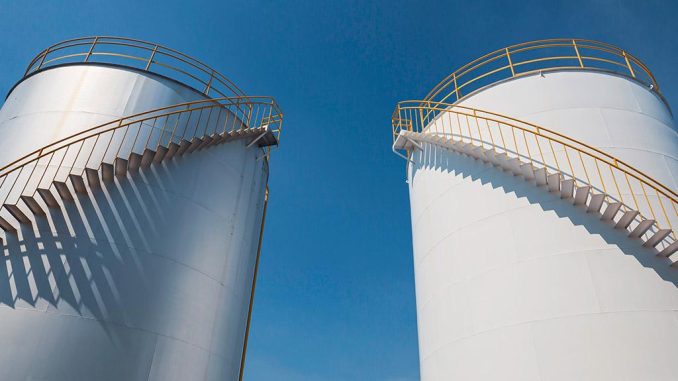
A neglected fuel storage system can turn a small maintenance issue into fuel contamination, equipment damage, leaks, or costly downtime. Routine inspections and preventive maintenance help keep tanks, fittings, pumps, valves, vents, and containment systems in dependable condition while identifying problems before they become serious.
Cleaning, leak checks, corrosion inspections, fluid monitoring, and proper recordkeeping should all form part of a maintenance program. This article outlines essential protocols to keep a fuel diesel tank facility safe, compliant, and operational.
Inspect tanks and surfaces
Technicians inspect tank walls, seams, fittings, foundations, and access points at scheduled intervals. They look for corrosion, dents, cracks, coating damage, moisture, and unusual staining. Exterior inspections also cover signs of leakage around connections and pipework. Staff record findings with dates, observations, and corrective actions. Early detection allows maintenance teams to address minor defects before they affect storage reliability or fuel security.
Check valves and piping
Valves, pipes, flanges, joints, and flexible connections receive regular checks for leaks, corrosion, blockage, and physical damage. Technicians verify valve operation and examine seals for deterioration. Pipe supports also receive inspection because loose or damaged supports may place stress on connections. Staff replace worn components according to manufacturer specifications and maintain clear records for future inspections.
Monitor fuel quality
Fuel quality directly affects engines, pumps, and combustion equipment. Maintenance teams inspect stored diesel for water, sediment, microbial contamination, and unusual discoloration. They sample fuel according to the facility maintenance schedule and arrange filtration or fuel treatment when test results show contamination. Tank bottoms receive particular attention because water and sediment settle there over time. Clean fuel supports reliable equipment performance and reduces avoidable service interruptions.
Service vents and gauges
Tank vents require clear airflow to support proper pressure control during filling and fuel withdrawal. Technicians inspect vent openings, screens, caps, and related components for blockage or damage. Gauges also require regular verification so operators receive accurate readings for fuel levels and pressure. Faulty instruments should receive prompt calibration or replacement, helping staff make sound operational decisions.
Maintain pumps and dispensing equipment
Pumps, hoses, nozzles, meters, and dispensing connections require routine checks for leaks, unusual noise, vibration, and declining performance. Technicians inspect electrical connections and mechanical components according to equipment specifications. They also verify emergency shutoff functions and keep dispensing areas free from spilled fuel. Consistent servicing supports dependable fuel transfer and reduces operational disruptions.