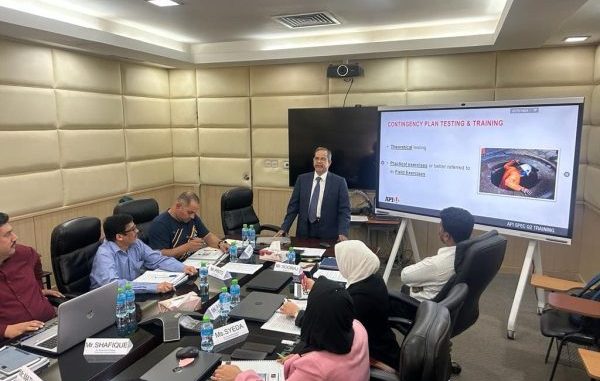
Effective auditing helps oil and gas companies maintain quality, meet industry standards, and identify operational gaps. Internal auditors examine processes, review records, and assess compliance with established requirements.
However, successful audits demand practical skills and a clear understanding of audit procedures. API internal auditor training trains professionals with essential techniques to conduct structured audits, gather reliable evidence, identify nonconformities, and support consistent quality management.
The fundamentals of auditing
Every effective audit begins with a clear understanding of its purpose and scope. Training introduces participants to audit principles, objectives, and responsibilities. Trainees learn to examine quality management systems, assess compliance, and identify areas for improvement. They also study relevant API standards and understand how these requirements guide audit activities. This foundation helps auditors approach each assignment with confidence and professional discipline.
Developing effective audit planning techniques
Proper preparation helps auditors conduct organised and productive assessments. Training explains how to define audit objectives, establish a suitable scope, and prepare an audit schedule. Participants learn to review relevant procedures, previous audit reports, and quality records before meeting the audit team. They also practise preparing checklists that cover important requirements. These techniques help auditors focus on relevant processes and manage their time efficiently.
Mastering evidence collection methods
Reliable audit findings depend on accurate evidence. Training teaches participants how to collect information through interviews, document reviews, and direct observations. Auditors learn to ask clear, unbiased questions and verify responses against documented requirements. They also practise examining records and identifying inconsistencies. These skills help them distinguish factual evidence from personal opinions and support every finding with appropriate documentation.
Identifying and reporting nonconformities
Recognizing nonconformities represents an important part of internal auditing. Training helps participants compare actual practices with applicable API requirements and identify any gaps. They learn to classify findings, record supporting evidence, and explain the relevant requirements. Practical exercises also demonstrate how to write clear audit reports. Accurate reporting helps management understand problems and determine suitable corrective actions.
Improving communication during audits
Professional communication helps auditors maintain productive discussions with employees and management. Training covers interview techniques, active listening, and constructive feedback. Participants learn to present findings objectively, discuss concerns respectfully, and avoid unnecessary conflict. These communication skills support cooperation throughout the audit process and help organizations address quality issues effectively.